Amer Abdul-Razzaq
Atlas of Sumer

Our heritage is worth the trip

How do we bring visitors to our ancient sites?

The southern sites are among the oldest cities on earth, yet history alone does not bring visitors. They come when they can find the way, get basic services and live an experience worth retelling. Here is a plain summary of UNESCO guidance and nearby examples, with clear sources.

Amer Abdul-Razzaq addresses this theme in his seminar “Archaeological tourism in Anbar: from cultural heritage to tourism investment”, Al-Maarif University, Ramadi, 14 November 2026.

Why it matters

Visitors bring life to a site and its people

  • Jobs for local people: guiding, hospitality, transport and crafts. Source
  • Income that returns to protecting and maintaining the site. Source
  • People who visit their heritage come to know it, value it and protect it. Source
UNESCO guidance in brief

Nine steps that turn a site into a destination

Simplified from UNESCO’s sustainable tourism toolkit for World Heritage sites.

  1. Know your visitors

    Who visits, when, for how long and looking for what? A good plan starts from numbers, not guesses.

    UNESCO guide 1
  2. A step-by-step plan

    Realistic goals for one year and five years, starting with the basics: access, services and protection.

    UNESCO guide 2
  3. One body that coordinates

    One team bringing antiquities, tourism, the province and local people to the same table.

    UNESCO guide 3
  4. Local people first

    Local guides, guesthouses and crafts. When locals benefit, they become the site’s first guardians.

    UNESCO guide 4
  5. Tell the story

    Signs in Arabic and English, maps, QR codes and trained guides. Visitors want to understand what they see.

    UNESCO guide 5
  6. Access and services

    A safe road, parking, shade, water, clean toilets and a welcome centre placed far enough not to harm the site.

    UNESCO guide 6
  7. A memorable experience

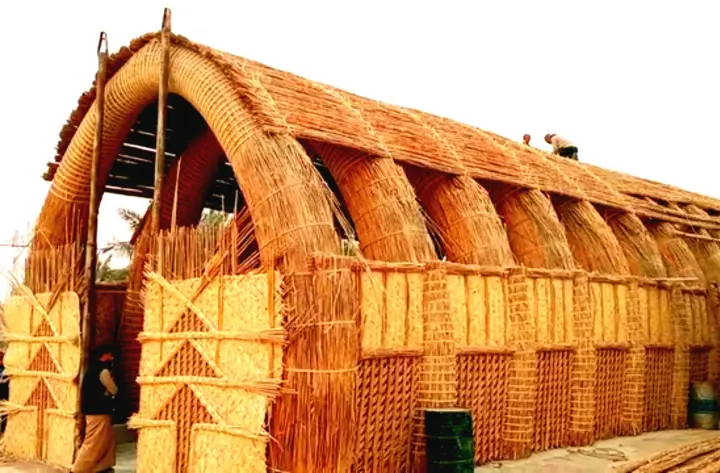
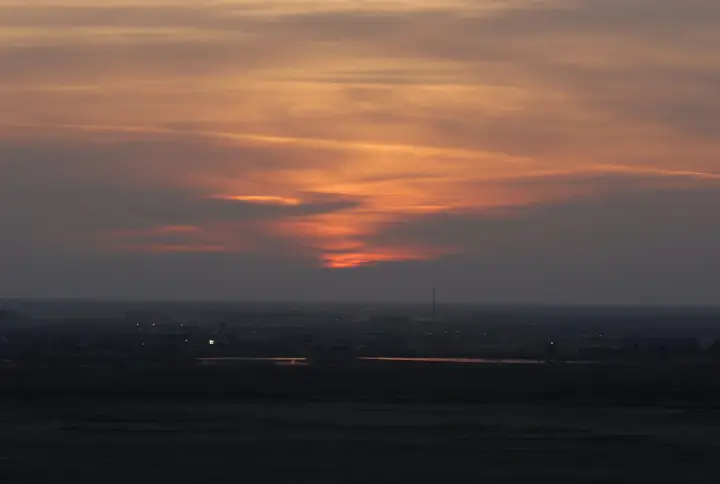
    A mashoof boat ride, sunset at the ziggurat, a festival, a night in a mudhif. The experience is what visitors retell.

    UNESCO guide 7
  8. Funding that returns to the site

    Entry fees spent on the site, partnerships and small local businesses.

    UNESCO guide 9
  9. Measure and adjust

    Count visitors, their satisfaction and the site’s condition regularly. Protecting the site comes first.

    UNESCO guide 10
Examples near us

What happened when they invested in visitors?

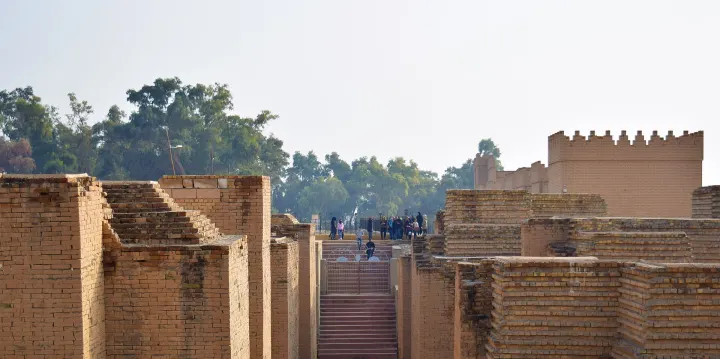
Visitors walking among the restored walls of ancient Babylon
Ancient Babylon (World Heritage since 2019) and its visitors (2016). Photo: MohammadHuzam, licence CC BY-SA 4.0, source.

Babylon: restoration and visitors

As restoration of the Temple of Ninmakh and the walls near the Ishtar Gate progressed, Babylon received 43,530 Iraqi and 5,370 foreign visitors in 2024, up from 36,957 and 4,109 in 2023, according to Babylon’s antiquities inspector.

Lesson: caring for the site attracts local visitors first, and they are the start.

Source: The Art Newspaper, 12/9/2025
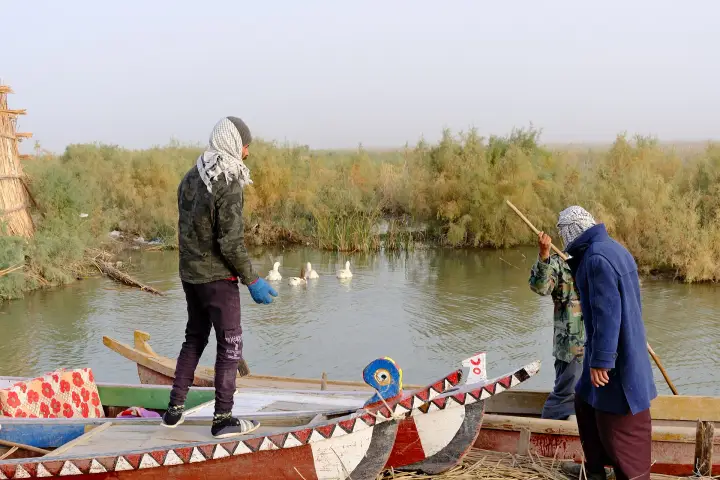
Colourful mashoof boats gliding beside the reeds
Colourful mashoof boats of the Marshes. Photo: Alli Khalil, licence CC BY-SA 4.0, source.

Dhi Qar’s marshes: the demand is there

The Ahwar became World Heritage in 2016 together with Ur, Uruk and Eridu. Dhi Qar’s tourism chief said tourists rose from 10,000 in 2016 to 12,000 in 2017 and 18,000 in 2018, while there were no visitor centres or hotels at the time.

Lesson: people are coming; services are the missing link.

Source: UNESCO 1481 · Arab News / AFP, 2019
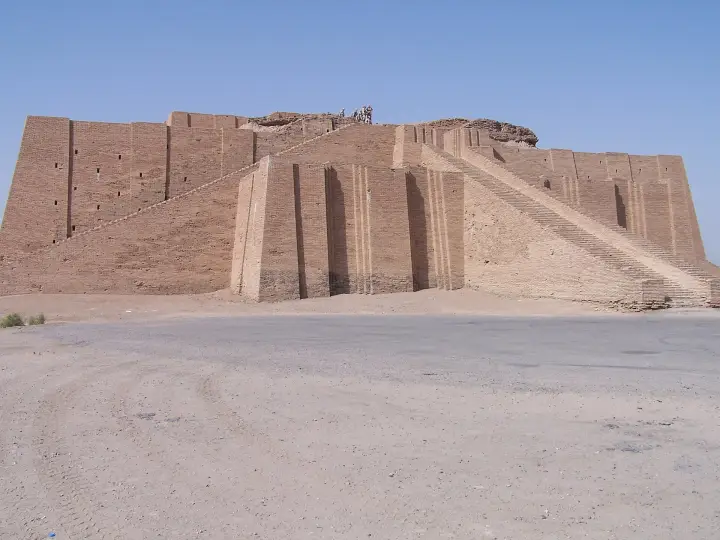
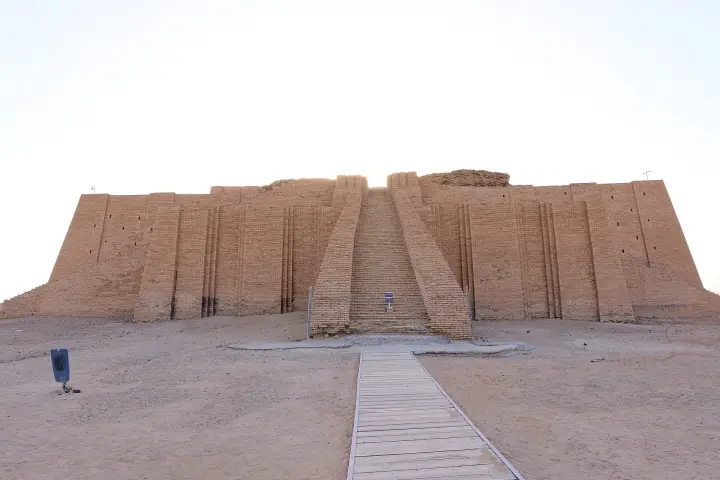
The front of the Ziggurat of Ur, with its three staircases rising toward the summit
The front facade of the Ziggurat of Ur with its three staircases, Nasiriyah. Photo: Alli Khalil, licence CC BY-SA 4.0, source.

Iraq: interest is returning

Iraq received about 107,000 tourists in 2021, more than three times the 2020 figure (30,000, the pandemic year), according to Tourism Authority data.

Lesson: a positive image brings visitors, so let us be ready with information and services.

Source: AFP / Gulf News, 2022

Göbeklitepe (Türkiye): a site that builds a name

An ancient stone site that set a record of about 850,000 visitors in 2022; its visitor centre, roads and parking are being expanded.

Lesson: one well-prepared site can put its city on the world tourism map.

Source: Daily Sabah · Hürriyet Daily News

AlUla (Saudi Arabia): everything in one place

One official platform gives visitors everything: how to get there, visitor centres, tours and an events calendar, in Arabic and English.

Lesson: visitor information must be easy and in one place.

Source: Experience AlUla
What can each of us do?

Small steps that make a difference

Visitors

  • Stay on the paths and do not climb walls.
  • Do not touch or take anything, however small.
  • Take your litter with you.
  • Hire a local guide.

Locals and youth

  • Learn the site’s story and become its guide.
  • Simple, clean hospitality makes good memories.
  • Share accurate information without exaggeration.
  • Post good, respectful photos of the place.

Schools

  • A yearly trip to the nearest site.
  • A “student guide” day where pupils explain to classmates.
  • Use the printable worksheets on this site.

Local authorities

  • Shade, water and clean toilets at the entrance.
  • Signs in Arabic and English.
  • A safe road and signposts from the main road.
  • Count visitors regularly.
Start with a visit

Sites waiting for you

The façade of the Ziggurat of Ur with its long stairway
01

Ur

Tell al-Muqayyar · Dhi Qar
World Heritage · UNESCO 2016Amer worked here

Capital of the Third Dynasty of Ur, with one of the best-preserved ziggurats in the world.

about 5000–300 BCE

🏺 Sumer passportAtlas of Sumer

A general introduction based on published sources; figures are as reported by their sources at the time.