Amer Abdul-Razzaq
Atlas of Sumer

Photo gallery

Real, openly licensed photographs from the land of Sumer and world museums. Tap any photo to enlarge.

From Amer's archive (13)Sites today (22)Rare archive photos (6)Our treasures in world museums (37)The marshes and life (12)
Then and now
Drag to compare

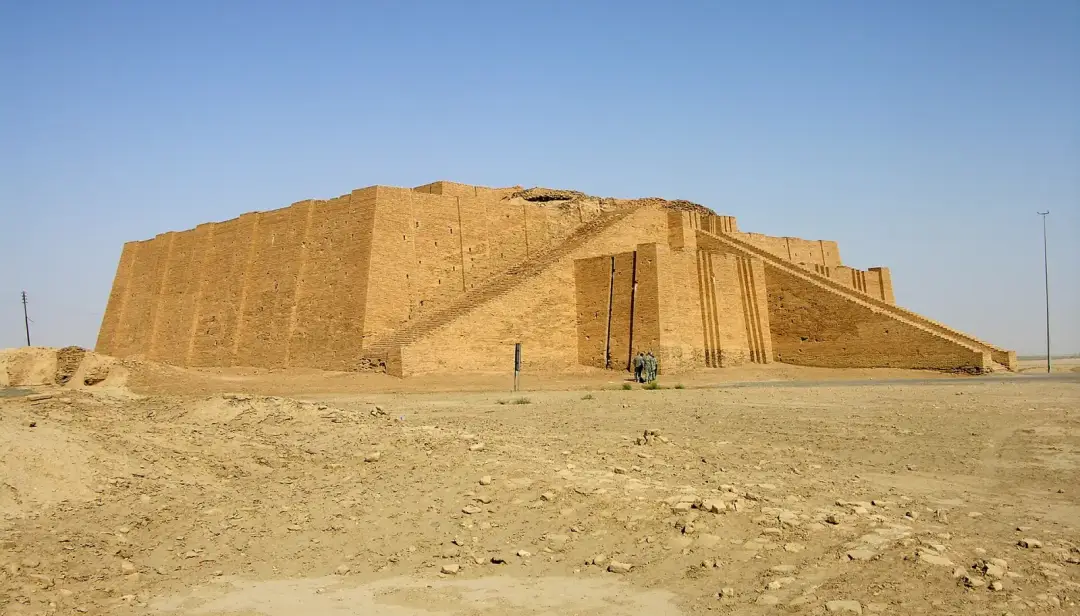
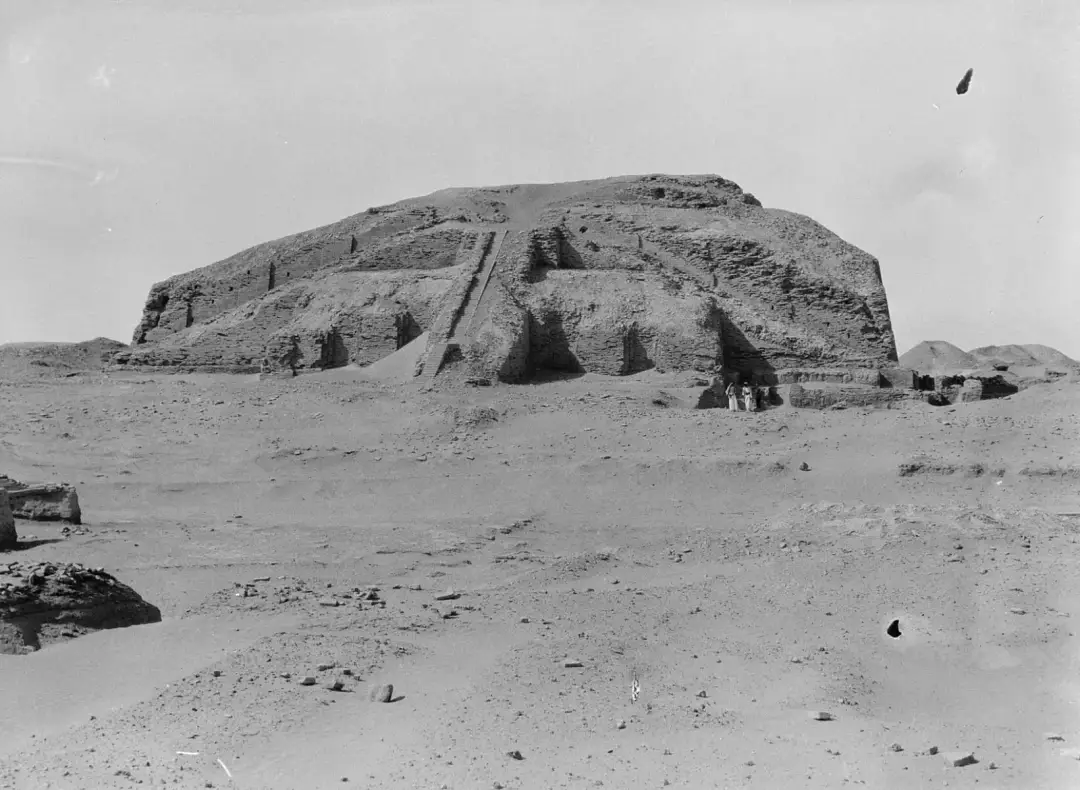
The Ziggurat of Ur in golden brick beneath a clear blue skyThe Ziggurat of Ur before restoration, in an old black-and-white photographNowThen ู†ุญูˆ 1932

The Ziggurat of Ur before restoration, Matson Collection, Library of Congress (ู†ุญูˆ 1932). Photo: Matson Collection (Library of Congress), licence Public domain, source.
The Great Ziggurat of Ur (temple of the moon god Nanna) near Nasiriyah, built by Ur-Nammu around 2100 BCE. Photo: Michael Lubinski from Green Bay, WI, USA, licence CC BY-SA 2.0, source.

From Amer's archive

From Mr. Amer Abdul-Razzaq's archive, published with his permission.
From Mr. Amer Abdul-Razzaq's archive, published with his permission. Photo: Mohammed Al-Saeedi.
From Mr. Amer Abdul-Razzaq's archive, published with his permission.

Sites today

The Ziggurat of Ur, Dhi Qar. Photo: Alli Khalil, licence CC BY-SA 4.0, source.
The Ziggurat of Ur in 2005. Photo: Hardnfast, licence CC BY 3.0, source.
Remains of the Eridu ziggurat. Photo: David Stanley, licence CC BY 2.0, source.
Tell al-Hiba, the site of Lagash. Photo: David Stanley, licence CC BY 2.0, source.
The Larsa ziggurat, Tell as-Senkereh. Photo: David Stanley, licence CC BY 2.0, source.
The Nippur ziggurat from the south-west. Photo: Noรฉmi Alzayadi, licence CC BY-SA 4.0, source.
The Great Ziggurat of Ur (temple of the moon god Nanna) near Nasiriyah, built by Ur-Nammu around 2100 BCE. Photo: Michael Lubinski from Green Bay, WI, USA, licence CC BY-SA 2.0, source.
The front facade of the Ziggurat of Ur with its three staircases, Nasiriyah. Photo: Alli Khalil, licence CC BY-SA 4.0, source.
The stepped wall of the Ziggurat of Ur with the sun behind the summit, Nasiriyah. Photo: Alli Khalil, licence CC BY-SA 4.0, source.
The Ziggurat of Ur and the remains of the Temple of Ningal beside it. Photo: Alli Khalil, licence CC BY-SA 4.0, source.
The main staircase of the Ziggurat of Ur in the light of late afternoon. Photo: Alli Khalil, licence CC BY-SA 4.0, source.
Foundations of residential and religious buildings at Ur, with the ziggurat on the horizon. Photo: Alli Khalil, licence CC BY-SA 4.0, source.
Burial chambers of the Royal Cemetery at Ur (about 2600 BCE). Photo: Alli Khalil, licence CC BY-SA 4.0, source.
Rows of fired brick paving the floor of a building at Ur. Photo: Alli Khalil, licence CC BY-SA 4.0, source.
The arched doorway of the E-dublamah temple at Ur. Photo: Alli Khalil, licence CC BY-SA 4.0, source.
Sunset from the top of the Ziggurat of Ur. Photo: DVIDSHUB, licence CC BY 2.0, source.
The Ziggurat of Anu and the White Temple at Uruk. Photo: tobeytravels, licence CC BY-SA 2.0, source.
The ruins of Lagash (Tell al-Hiba) in Dhi Qar Governorate. Photo: David Stanley from Nanaimo, Canada, licence CC BY 2.0, source.
The Temple of Enlil (Ekur) at Nippur, Diwaniyah Governorate. Photo: David Stanley from Nanaimo, Canada, licence CC BY 2.0, source.
Ruins of a temple at Nippur (Nuffar). Photo: Jasmine N. Walthall, U.S. Army, licence Public domain, source.
The Ziggurat of Nippur, crowned by the building the excavators erected. Photo: Noรฉmi Alzayadi, licence CC BY-SA 4.0, source.
Interior gateway of the nineteenth-century expedition's shelter on top of the ziggurat. Photo: Noรฉmi Alzayadi, licence CC BY-SA 4.0, source.

Rare archive photos

The Ziggurat of Uruk (Warka) in a Library of Congress photograph (ู†ุญูˆ 1932). Photo: Matson Collection (Library of Congress), licence Public domain, source.
Excavation of the Temple of Enlil at Nippur, from the Hilprecht archive (ู†ุญูˆ 1900). Photo: Hilprecht, H. V. (Hermann Vollrat), 1859-1925, licence Public domain, source.
The Ziggurat of Ur before restoration, Matson Collection, Library of Congress (ู†ุญูˆ 1932). Photo: Matson Collection (Library of Congress), licence Public domain, source.
The Ziggurat of Ur from the southeast, Matson Collection (ู†ุญูˆ 1932). Photo: Matson Collection (Library of Congress), licence Public domain, source.
The Ziggurat of Ur from the northwest, with the excavations of the adjacent temple, Matson Collection (ู†ุญูˆ 1932). Photo: Matson Collection (Library of Congress), licence Public domain, source.
Men in a boat on the river, Matson Collection (ู†ุญูˆ 1932). Photo: Matson Collection (Library of Congress), licence Public domain, source.

Our treasures in world museums

Game pieces from the Royal Cemetery at Ur, British Museum. Photo: Gary Todd, licence CC0, source.
The Mask of Warka (about 3000 BCE), Iraq Museum. Photo: Osama Shukir Muhammed Amin, licence CC BY-SA 4.0, source.
Statue attributed to Gudea, ruler of Lagash (about 2120 BCE), Louvre collection. Photo: Jean-Pol Grandmont, licence CC BY 3.0, source.
Statue of Lupad, an official at Umma (about 2400 BCE), Louvre. Photo: Gary Todd, licence CC0, source.
A tablet from Shuruppak listing professions (2600โ€“2500 BCE), Pergamon Museum. Photo: Osama Shukir Muhammed Amin, licence CC BY-SA 4.0, source.
Limestone head of a man, probably from Umm al-Aqarib (about 2400 BCE). Photo: Gary Todd, licence CC0, source.
Clay-cone mosaic from the facade of the temple of Inanna (Eanna) at Uruk, about 3200 BCE (ู†ุญูˆ 3200 ู‚.ู…). Photo: Dosseman, licence CC BY-SA 4.0, source.
Columns of the Eanna precinct covered in clay cones, from Uruk (3600โ€“3200 ู‚.ู…). Photo: Neoclassicism Enthusiast, licence CC0, source.
The Warka Vase, the oldest known carved religious scene, Iraq Museum (ู†ุญูˆ 3200 ู‚.ู…). Photo: Osama Shukir Muhammed Amin FRCP(Glasg), licence CC BY-SA 4.0, source.
Detail of the top register of the Warka Vase: offerings presented to Inanna (ู†ุญูˆ 3200 ู‚.ู…). Photo: Osama Shukir Muhammed Amin FRCP(Glasg), licence CC BY-SA 4.0, source.
Lion statue from Eridu, Iraq Museum (ู†ุญูˆ 2500 ู‚.ู…). Photo: Osama Shukir Muhammed Amin FRCP(Glasg), licence CC BY-SA 4.0, source.
Painted pottery vessel from Eridu (Tell Abu Shahrain), Iraq Museum (3500โ€“2800 ู‚.ู…). Photo: Osama Shukir Muhammed Amin FRCP(Glasg), licence CC BY-SA 4.0, source.
Brick stamped with the name of Amar-Sin, Third Dynasty of Ur, from Eridu (ู†ุญูˆ 2040 ู‚.ู…). Photo: Osama Shukir Muhammed Amin FRCP(Glasg), licence CC BY-SA 4.0, source.
Statue of Gudea, ruler of Lagash, from Tello (Girsu), Louvre Museum (ู†ุญูˆ 2120 ู‚.ู…). Photo: Jastrow, licence Public domain, source.
Votive stele of Gudea for the temple of Ningirsu, from Girsu, Istanbul Archaeology Museums (2144โ€“2124 ู‚.ู…). Photo: Osama Shukir Muhammed Amin FRCP(Glasg), licence CC BY-SA 4.0, source.
Foundation text of Gudea for the temple of Ningirsu, from Girsu (ู†ุญูˆ 2100 ู‚.ู…). Photo: Daderot, licence CC0, source.
Copper foundation figurines from the temple of Ningirsu at Girsu, reign of Gudea (ู†ุญูˆ 2150 ู‚.ู…). Photo: Osama Shukir Muhammed Amin FRCP(Glasg), licence CC BY-SA 4.0, source.
Relief plaque from Tello (Girsu). Photo: Meskalam, licence CC BY 4.0, source.
The Stele of the Vultures, victory of Eannatum of Lagash over Umma, Louvre Museum (ู†ุญูˆ 2450 ู‚.ู…). Photo: Kikuyu3 and contributors (composite), licence CC BY-SA 4.0, source.
Foundation nail inscribed with the name of Gudea, ruler of Lagash (ู†ุญูˆ 2140 ู‚.ู…). Photo: Unknown author, licence CC0, source.
Tablet of the 'Lamentation over the Ruin of Lagash', from the reign of Urukagina (ู†ุญูˆ 2350 ู‚.ู…). Photo: Gary Todd, licence CC0, source.
Statue of Entemena, ruler of Lagash, found at Ur, Iraq Museum (ู†ุญูˆ 2400 ู‚.ู…). Photo: Osama Shukir Muhammed Amin FRCP(Glasg), licence CC BY-SA 4.0, source.
Foundation peg from the temple of Nanshe at Sirara (Tell Zurghul), reign of Gudea (ู†ุญูˆ 2130 ู‚.ู…). Photo: Osama Shukir Muhammed Amin FRCP(Glasg), licence CC BY-SA 4.0, source.
Stele of Ushumgal from Umma (Tell Jokha), Metropolitan Museum of Art (2900โ€“2700 ู‚.ู…). Photo: Metropolitan Museum of Art, licence CC0, source.
Tablet of Ur-Lumma, king of Umma, son of Enakale (ู†ุญูˆ 2400 ู‚.ู…). Photo: Rama, licence CC BY-SA 3.0 fr, source.
Cylinder of Nabonidus from the Sun Temple at Larsa, British Museum (ู†ุญูˆ 550 ู‚.ู…). Photo: Osama Shukir Muhammed Amin FRCP(Glasg), licence CC BY-SA 4.0, source.
Frog from Larsa discovered by Loftus in the nineteenth century. Photo: The Trustees of the British Museum, licence CC BY-SA 4.0, source.
Vase from Larsa, Louvre Museum. Photo: Marie-Lan Nguyen, licence Public domain, source.
Clay rattle from Shuruppak (Tell Fara) (2500โ€“2350 ู‚.ู…). Photo: Osama Shukir Muhammed Amin FRCP(Glasg), licence CC BY-SA 4.0, source.
Tablet accounting for the governor's silver, from Shuruppak (ู†ุญูˆ 2500 ู‚.ู…). Photo: Gavin.collins, licence Public domain, source.
The Sumerian Flood Tablet from Nippur, Penn Museum (ู†ุญูˆ 1600 ู‚.ู…). Photo: Onceinawhile (talk ยท contribs), licence CC BY-SA 4.0, source.
The Queen's Lyre from the Royal Cemetery at Ur, British Museum (ู†ุญูˆ 2500 ู‚.ู…). Photo: Osama Shukir Muhammed Amin FRCP(Glasg), licence CC BY-SA 4.0, source.
The Ur bull-headed golden lyre, Penn Museum (2550โ€“2450 ู‚.ู…). Photo: Mary Harrsch, licence CC BY 2.0, source.
The Standard of Ur, Peace Panel (banquet and procession), British Museum (ู†ุญูˆ 2600 ู‚.ู…). Photo: Juan Carlos Fonseca Mata, licence CC BY-SA 4.0, source.
The Standard of Ur, War Panel, British Museum (ู†ุญูˆ 2600 ู‚.ู…). Photo: Unknown author, licence Public domain, source.
'Ram in a Thicket' from the Royal Cemetery at Ur, Penn Museum (ู†ุญูˆ 2600 ู‚.ู…). Photo: Benjamin82877, licence CC BY-SA 4.0, source.
Gold helmet of Meskalamdug from the Royal Cemetery at Ur (displayed replica) (ู†ุญูˆ 2500 ู‚.ู…). Photo: Akieboy, licence CC BY-SA 2.0, source.

The marshes and life

Roofing a reed mudhif, the marshes. Photo: Hassan Al-Jarrah, licence CC BY-SA 4.0, source.
A water buffalo in the Chibayish Marshes. Photo: Alli Khalil, licence CC BY-SA 4.0, source.
A water buffalo and its herder in the Chibayish Marshes. Photo: Alli Khalil, licence CC BY-SA 4.0, source.
A reed pen for water buffalo in the Marshes. Photo: Alli Khalil, licence CC BY-SA 4.0, source.
Reeds and geese in the Chibayish Marshes. Photo: Alli Khalil, licence CC BY-SA 4.0, source.
A reed mudhif in the Chibayish Marshes. Photo: Alli Khalil, licence CC BY-SA 4.0, source.
Colourful mashoof boats of the Marshes. Photo: Alli Khalil, licence CC BY-SA 4.0, source.
Morning stillness in the Chibayish Marshes. Photo: Alli Khalil, licence CC BY-SA 4.0, source.
A mashoof among the reeds in the southern Marshes. Photo: Hassan Janali, U.S. Army Corps of Engineers, licence Public domain, source.
A water buffalo swimming in the marsh. Photo: Ahmedallebban, licence CC BY-SA 4.0, source.
Interior of the Sumerian mudhif built of reeds. Photo: ุญูƒู…ุช ุงู„ุนูŠุงุดูŠ, licence CC BY-SA 4.0, source.
A marsh mudhif at dusk. Photo: (Ahmed Abdul Amiralem) ุงุญู…ุฏ ุนุจุฏุงู„ุงู…ูŠุฑู„ุงุฒู…, licence CC BY-SA 4.0, source.